
3 Heroku alternatives worth a look in 2026
Heroku is a platform-as-a-service that runs apps from a git push, historically popular for its free tier.
Since the free tier ended, developers compare cheaper container platforms and ones designed for AI coding agents.
The 3 tools below are live listings on Toolfio, chosen by hand because each one covers a specific part of what Heroku does — not because they share a category tag. Every pick comes with the reason it made the list, a screenshot, and what its own listing says about it. 3 of them have a free tier.
Which Heroku alternatives are worth trying?
| Tool | Replaces Heroku for |
|---|---|
| 1. Light Cloud | Git-based deploys with containers, managed Postgres and branch previews. |
| 2. fortrabbit | Managed PHP hosting with GitHub integration and SSH. |
| 3. Lizard | Deploy apps, databases and sandboxes from one CLI, built for coding agents. |

1. Light Cloud
Heroku alternative for: Git-based deploys with containers, managed Postgres and branch previews
Why it is on this list: Git-based deploys with containers, managed Postgres and branch previews.
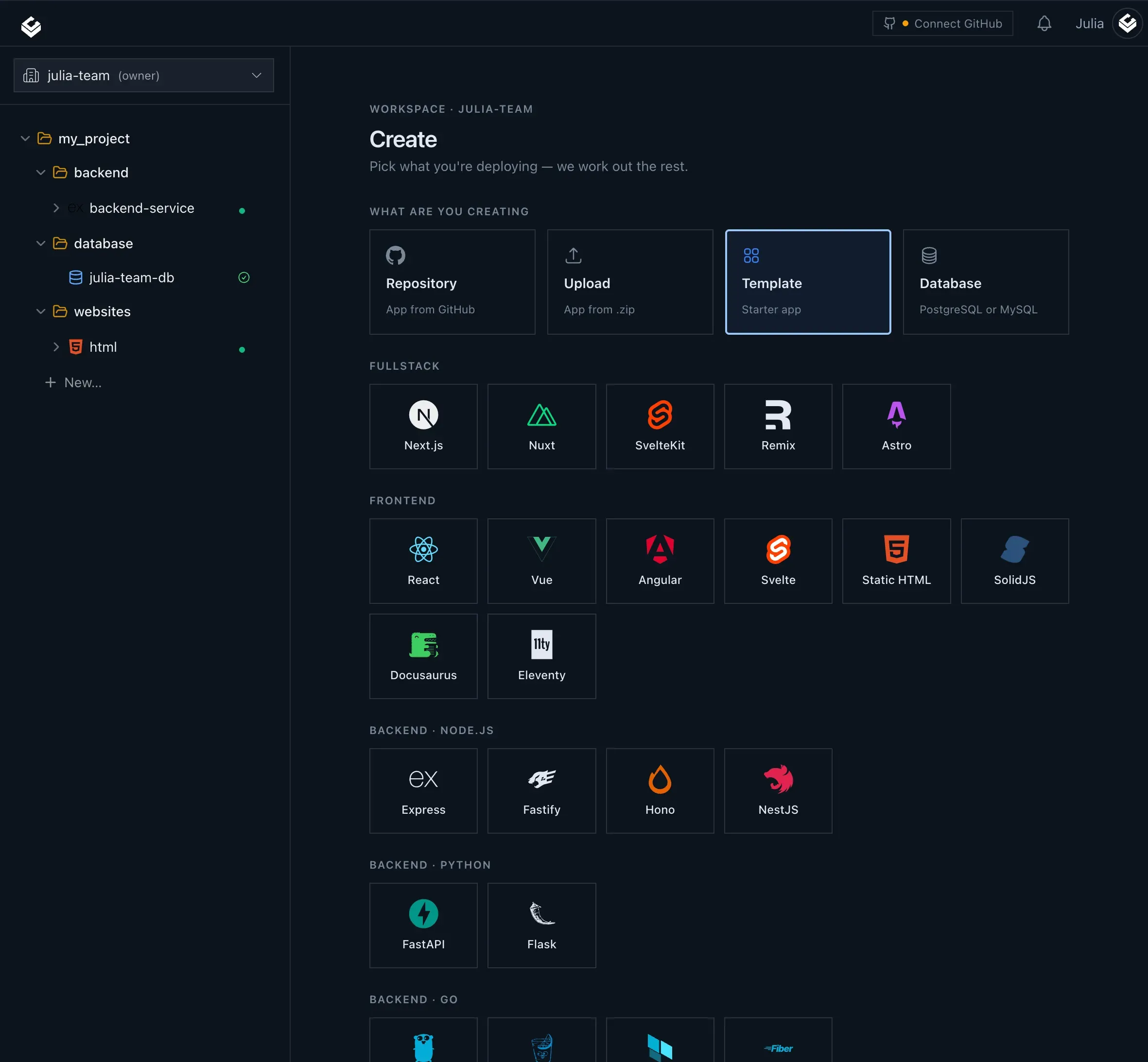
Light Cloud is a modern deployment platform that connects directly to GitHub repositories and transforms every git push into a live URL. The service is designed for developers who want a streamlined path from code to production without juggling multiple infrastructure providers. It combines static site delivery via a global CDN, container execution on Cloud Run, and managed PostgreSQL databases within a single control plane. This integration sets it apart from single-purpose hosting services, as it addresses frontend, backend, and data storage needs in one workflow.
Where it beats Heroku
- ✓Seamless GitHub integration with automatic deployments on every push, including per-branch preview URLs.
- ✓Full-stack capabilities combining static CDN, container runtime, and managed Postgres in a single platform.
- ✓Scale-to-zero containers significantly reduce costs for idle services, making it budget-friendly for low-traffic apps.
- ✓Native AI deployment support via MCP server for Claude and a VS Code extension for GitHub Copilot enables chat-driven deploys.
Where Heroku still wins
- ✕Platform is relatively new and lacks the extensive ecosystem and third-party integrations of more established PaaS providers.
- ✕AI deployment features are experimental and may require additional setup or occasional manual fallback.
- ✕Core product is proprietary while only the companion ICE project is open source, limiting self-hosting possibilities.

2. fortrabbit
Heroku alternative for: Managed PHP hosting with GitHub integration and SSH
Why it is on this list: Managed PHP hosting with GitHub integration and SSH.
fortrabbit is a managed PHP cloud hosting platform designed specifically for professional web developers. It provides a Platform-as-a-Service (PaaS) solution that simplifies deployment and hosting of PHP applications with modern development workflows.
Key features: GitHub integration with automatic deployment on git push Multi-staging environments supporting production, development, and staging workflows SSH and SFTP access for direct server and file management Collaboration tools for teams, clients, and payment method sharing
The platform targets freelancers, agencies, startups, and professional developers who need reliable PHP hosting with modern development practices.

3. Lizard
Heroku alternative for: Deploy apps, databases and sandboxes from one CLI, built for coding agents
Why it is on this list: Deploy apps, databases and sandboxes from one CLI, built for coding agents.
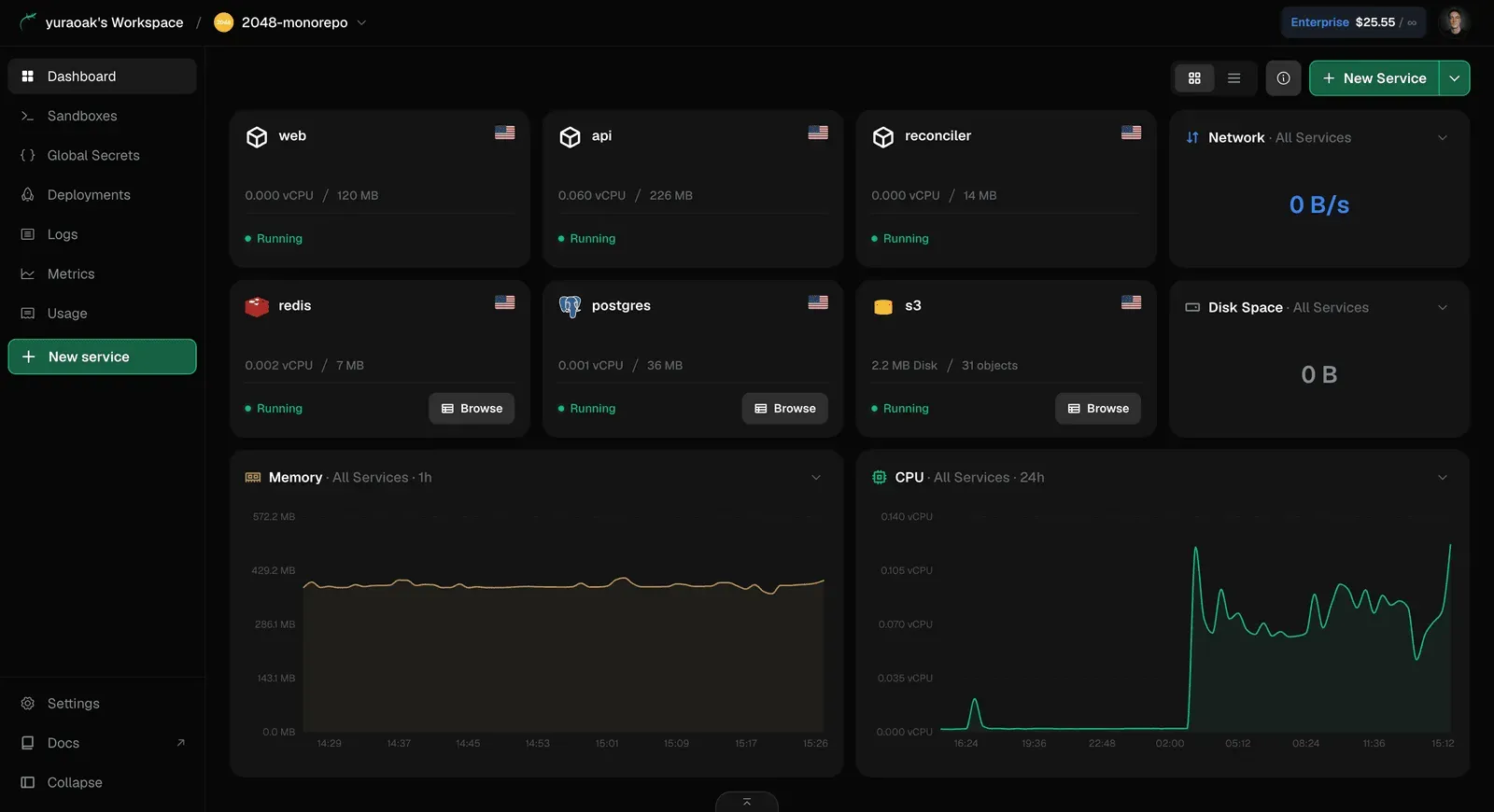
Lizard is an AI-native cloud deployment platform purpose-built for the new generation of coding agents and agentic development workflows. Instead of retrofitting traditional Platform-as-a-Service (PaaS) offerings to accommodate automated assistants, Lizard was architected from the ground up around the agent loop—the cycle of write, deploy, observe, and iterate that tools like Claude Code, Codex, and Cursor increasingly drive. The result is a cohesive platform that combines managed infrastructure, containerized application hosting, and observability into a single command-line interface that is equally readable by humans and machines.
Where it beats Heroku
- ✓Per-second billing on measured CPU and memory instead of reserved instances, which can reduce costs for idle and low-utilization workloads.
- ✓Agent-first design with schema-typed, machine-readable output for all commands and logs, enabling coding agents like Claude Code and Codex to autonomously deploy and debug.
- ✓One-command provisioning of managed Postgres, Redis, and S3, tightly integrated with deployments for automatic environment configuration.
- ✓Lizardpack build planner generates readable multi-stage Dockerfiles for a wide range of languages and frameworks, preserving transparency and portability.
Where Heroku still wins
- ✕As a newer platform, Lizard may have a smaller community and fewer third-party integrations compared to established providers like AWS or Railway.
- ✕Cost savings from per-second billing depend on workload patterns; high-utilization services could end up costing more than simple fixed-instance pricing.
- ✕The platform is heavily oriented toward agentic workflows, which may not appeal to developers seeking a more conventional PaaS experience.
How do you choose a Heroku alternative?
Start from the job you actually hire Heroku for. If it is git-based deploys with containers, managed Postgres and branch previews, Light Cloud is the closest fit. If it is managed PHP hosting with GitHub integration and SSH, fortrabbit is the closest fit. If it is deploy apps, databases and sandboxes from one CLI, built for coding agents, Lizard is the closest fit. If budget is the reason you are leaving, try Light Cloud or fortrabbit or Lizard first — they have a free tier. Every listing above links to a full review with pricing and pros and cons.
More questions about Heroku alternatives
What are the best Heroku alternatives?›
Light Cloud, fortrabbit, Lizard. Each is a live listing on Toolfio with a review, pricing and pros and cons.
Why do people look for Heroku alternatives?›
Since the free tier ended, developers compare cheaper container platforms and ones designed for AI coding agents.
Is there a free Heroku alternative?›
Light Cloud, fortrabbit, Lizard have a free plan or free tier.