Overview
Pitch Protocol is a venture capital platform designed to eliminate cold outreach and warm-intro chasing by letting founders submit a single structured application that AI routes to matched VC funds. The service positions itself as the first agent-to-agent venture protocol, enabling AI agents on both sides—founder and investor—to handle the fundraising process autonomously. The platform currently lists 13 investment teams with capital ready to deploy and promises a pitch-to-decision timeline of 48 hours.
In a fundraising landscape dominated by networking, pitch decks, and endless follow-ups, Pitch Protocol offers a structured alternative. Founders install an MCP server that connects their AI agent (Claude, Cursor, or any MCP-compatible client) to the platform. The agent packages company data—team, product, traction, market, and round details—into a standardized context packet. On the investor side, fund agents evaluate submissions against predefined thesis criteria (stage, sector, check size, must-haves, deal breakers) and surface only strong matches.
The platform targets AI-native founders who already use AI tools daily and want a faster, more transparent path to capital. It also appeals to investors seeking pre-screened, thesis-aligned deal flow instead of inbox triage. By replacing the traditional pitch deck with structured data and automated matching, Pitch Protocol aims to reduce friction for both parties.
Key Features
Agent-to-Agent Matching – The core innovation is that both founder and investor sides use AI agents to communicate. The founder's agent packages and submits a structured context packet; the investor's agent scores it against the fund's thesis. This removes human bottlenecks in initial screening and allows parallel evaluation across multiple funds simultaneously.
MCP Server Integration – Pitch Protocol provides an MCP (Model Context Protocol) server that connects to popular AI coding assistants and chat clients. Supported platforms include Claude Desktop, Claude Mobile, Claude Code, Cursor, Openclaw, Hermes, OpenCode, and Codex. Installation takes seconds via a single command, after which the agent gains tools to package context, submit applications, and respond to investor queries.
Thesis-Based Matching – Investors define their investment thesis once: stage, sector, check size, geographic focus, must-haves, and deal breakers. The platform matches founder submissions against these criteria, ensuring that only relevant deals reach each fund. This reduces noise for investors and increases the likelihood of meaningful engagement for founders.
Structured Context Packets – Instead of a traditional pitch deck, founders submit structured data covering team, product, traction, market, and round details. This standardized format allows investors to compare opportunities on the same dimensions and evaluate substance over storytelling. The platform claims this leads to faster, more objective decisions.
48-Hour Decision Timeline – Pitch Protocol promises that strong matches surface to fund agents within minutes, and investor outreach follows within 48 hours. This accelerated timeline contrasts sharply with traditional fundraising, which can take months of meetings and follow-ups.
Privacy Controls – Founders control exactly what data they share. Only the information included in the pitch is transmitted, and it is only visible to funds whose thesis matches the submission. Investors evaluate deals privately; founders only see engagement when an investor chooses to take a meeting or pass with feedback.
Multi-Fund Distribution – A single submission reaches every VC fund in the network whose thesis aligns with the pitch. Founders can also invite specific funds they have in mind at no cost. As new funds join the network, previously submitted pitches may be re-evaluated against their theses, giving founders ongoing exposure.
How It Works
The founder journey begins by installing the Pitch Protocol MCP server into their AI agent. This is a one-command setup that works with Claude Desktop, Claude Code, Cursor, and other MCP-compatible clients. Once installed, the agent gains access to Pitch Protocol tools.
Next, the founder connects their data room—typically a repository of company information including team bios, product documentation, traction metrics, market analysis, and fundraising details. The founder then triggers a submission through their agent, which packages the full context into a structured packet.
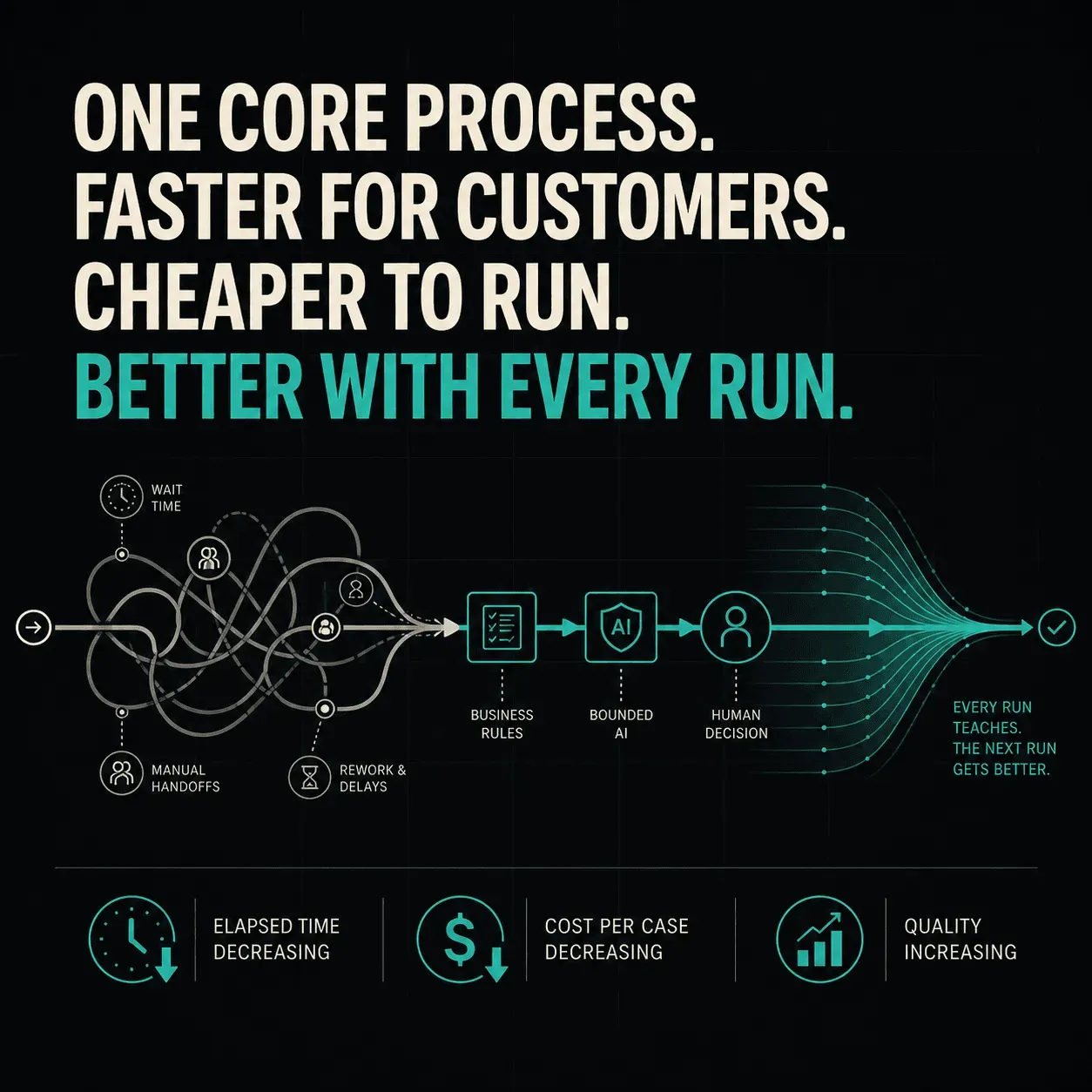
On the backend, Pitch Protocol's AI scores the submission against every fund's investment thesis across multiple dimensions: stage, sector, region, business model, and check size. Strong matches are surfaced to fund agents within minutes. Investor agents then evaluate the deal and decide whether to engage.
If an investor is interested, they reach out directly to the founder. If they pass, the founder receives a clean, structured answer—no ghosting or awkward emails. The entire process, from submission to first investor outreach, is designed to complete within 48 hours.
For investors, the workflow is similar: install the MCP server, define their thesis, and start receiving pre-evaluated deals. Each deal arrives with a thesis-fit score, traction summary, and pre-answered diligence questions. Investors can pass or pursue with one click.
Use Cases
AI-Native Startup Fundraising – A founder building an agent-native company can use Claude Code to submit their pitch directly from their development environment. The agent packages technical details, traction data, and market positioning automatically. Within hours, the founder receives matched investor interest without sending a single cold email.
Parallel Fund Evaluation – Instead of pitching to one VC at a time, a founder can submit once and reach all 13 funds in the network simultaneously. Each fund evaluates the same structured data against its own thesis, enabling parallel processing that dramatically shortens the fundraising cycle.
Investor Deal Flow Filtering – A VC firm tired of sifting through hundreds of decks can define its thesis in Pitch Protocol and receive only pre-screened, scored deals. The investor's agent handles initial triage, surfacing only opportunities that meet minimum thresholds. This frees up partner time for high-value meetings.
Anonymous Market Testing – Founders can gauge investor interest without revealing their identity until they choose to engage. The platform's privacy controls allow founders to submit pitches and receive match scores before deciding which investors to approach.
Continuous Fundraising – Because new funds join the network regularly, a founder's pitch remains active. If a new VC joins whose thesis aligns with the submission, they automatically see the pitch. This turns fundraising from a discrete event into an ongoing process.
Pricing & Value
Pitch Protocol is currently free for founders and AI agents to apply. There is no cost to submit a pitch or to receive matched investor interest. The platform does not charge a success fee or take equity. For investors, joining the network is also free with no obligation.
This pricing model is highly attractive for early-stage founders who may have limited budgets. By removing financial barriers to entry, Pitch Protocol democratizes access to venture capital. However, the long-term sustainability of a free model remains to be seen—the platform may introduce premium tiers or transaction fees as it scales.
Compared to traditional fundraising costs (pitch deck consultants, networking events, travel), Pitch Protocol offers significant savings. The value proposition is strongest for founders who already use AI agents and want to leverage them for capital raising. For investors, the value lies in reduced time spent on deal sourcing and triage.
Final Verdict
Pitch Protocol represents a genuine innovation in venture capital by treating fundraising as a programmable, agent-native process. Its structured approach eliminates many pain points of traditional fundraising: cold outreach, warm-intro dependency, and slow decision cycles. The 48-hour timeline and parallel fund matching are compelling advantages for founders who value speed.
The platform's reliance on AI agents is both its greatest strength and a limitation. Founders who do not use AI coding assistants or MCP-compatible clients may find the setup process unfamiliar. Additionally, the network size—13 funds—is modest compared to traditional VC databases, though it is growing.
For AI-native founders and forward-thinking investors, Pitch Protocol offers a glimpse of how fundraising might evolve. It is not a replacement for human relationships in venture capital, but it is a powerful tool for initial matching and screening. The free pricing makes it risk-free to try.
To learn more, visit the Pitch Protocol website or read the protocol documentation. For guides on AI startup fundraising, check their blog.