Overview
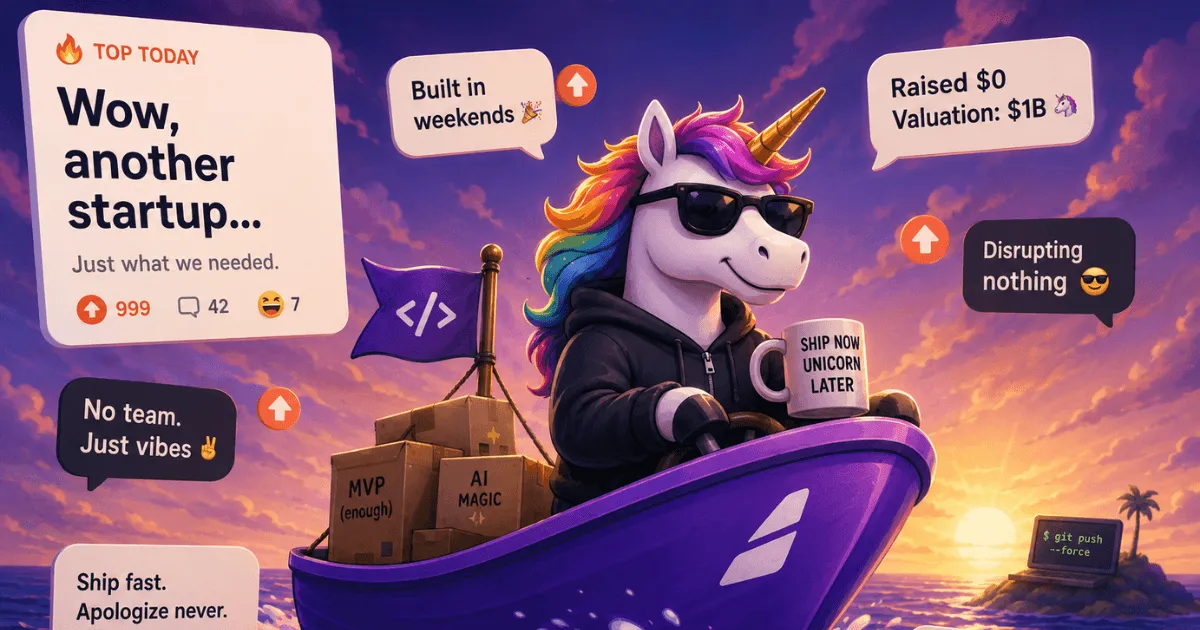
Shipycorn is a community-driven launch platform designed specifically for indie hackers and solo founders who want to showcase their projects without the formalities of traditional startup launch sites. Unlike platforms that require pitch decks, investor meetings, or growth hacking strategies, Shipycorn focuses purely on the product itself. The platform operates on a weekly cycle where new startups are submitted, upvoted by the community, and winners are announced. This creates a recurring rhythm that keeps both founders and early adopters engaged. The site positions itself as a more casual, developer-friendly alternative to established launch sites, emphasizing speed and simplicity over polished presentations. By removing barriers like venture capital involvement and complex submission processes, Shipycorn aims to democratize early-stage discovery for builders who just want to ship and see what happens.
Key Features
Weekly Launch Cycles – Shipycorn organizes launches into weekly rounds, creating a predictable schedule for both submitters and voters. Each week, new projects are featured, and the community upvotes their favorites. This structure encourages timely submissions and gives every project a fair chance to be seen within a defined window.
Upvote-Based Discovery – The core mechanic of the platform is upvoting. Users can browse submitted startups and vote for those they find interesting or useful. The most upvoted projects gain visibility, potentially leading to more traffic and early adopters. This democratic approach relies on community judgment rather than editorial selection.
No VC or Pitch Deck Required – Shipycorn explicitly markets itself as a platform free from venture capital influence. Founders do not need to prepare pitch decks, financial projections, or growth metrics. The only requirement is a working product or prototype. This lowers the barrier for entry significantly, especially for first-time builders.
Community of Indie Hackers – The platform attracts a niche audience of independent developers, designers, and entrepreneurs who are building side projects or small startups. This community is likely to provide constructive feedback, genuine interest, and potential collaborations. The shared ethos of "shipping fast" creates a supportive environment.
Simple Submission Process – Submitting a startup is straightforward. Founders provide basic information about their project, and it gets listed in the upcoming launch cycle. There is no lengthy approval process or complex categorization. This simplicity aligns with the platform's philosophy of reducing friction.
Newsletter for Weekly Roundups – Shipycorn offers a newsletter called "The Monday drop" that delivers the best new startups to subscribers every Monday. This helps founders gain recurring exposure beyond the initial launch week and keeps the community informed about noteworthy projects.
Domain Rating Badge – The site includes a badge from FrogDR that displays the domain rating of shipycorn.com. While not a core feature for users, it adds a layer of transparency about the site's own authority and may appeal to SEO-conscious founders.
How It Works
The user journey on Shipycorn begins with either browsing existing launches or submitting a new project. For visitors, the homepage displays a countdown to the next launch cycle, along with tabs to filter launches by time period (This Week, Last Week, This Month, This Year). Users can explore projects, read descriptions, and upvote those they find compelling. The upvote mechanism is the primary way to signal quality and help promising startups rise to the top.
For founders, the process starts by clicking the "Submit Your Startup" button. They are prompted to provide details such as the project name, description, and possibly links. After submission, the project enters the queue for the next weekly launch. Once live, founders can promote their listing to their own networks to gather upvotes. The platform does not require any payment for basic submission, though there may be promotional options available.
After the launch week ends, winners are announced on the "winners" page. These projects receive additional visibility and may be featured in the newsletter. Founders can also track their project's performance and see how many upvotes they received. The entire cycle repeats weekly, giving ongoing opportunities for new projects to gain traction.
Use Cases
Indie Hacker Launching a Side Project – A solo developer builds a small SaaS tool over a weekend and wants initial users. By submitting to Shipycorn, they can get in front of a targeted audience of early adopters without spending on ads. The upvote system provides social proof that can be used in future marketing.
Early-Stage Startup Seeking Feedback – A two-person team creates a prototype for a productivity app. They submit to Shipycorn to gather qualitative feedback from the community. The comments and upvote patterns help them understand which features resonate most.
Founder Building a Developer Tool – A developer creates an open-source library or CLI tool and wants to increase adoption. Shipycorn's audience of indie hackers is likely to appreciate technical tools. A successful launch can lead to GitHub stars, contributions, and word-of-mouth growth.
Content Creator Promoting a Newsletter – A writer launches a niche newsletter for founders. They submit the newsletter as a "startup" on Shipycorn to attract subscribers. The weekly launch format aligns with their content schedule, and the newsletter signup form on the site can capture leads.
Freelancer Showcasing a Productized Service – A freelancer turns their service into a productized offering (e.g., a design sprint package). They use Shipycorn to test demand and acquire first clients. The platform's casual vibe fits well with service-based products that don't require venture funding.
Pricing & Value
Shipycorn appears to offer free submissions for basic listings. The site has a pricing page that likely outlines promotional options, such as featured placements or advertising slots. The exact pricing tiers are not visible in the scraped content, but the presence of a "Promoted" section in the sidebar suggests paid opportunities for increased visibility. For most indie hackers, the free tier provides sufficient exposure, especially if their project gains organic upvotes. The value proposition is strong for those who want a low-risk, no-cost way to test market interest. However, for founders seeking guaranteed traffic, paid promotion may be necessary. Overall, Shipycorn offers good value for its target audience, as the cost of entry is minimal and the potential upside of being discovered by a relevant community is significant.
Final Verdict
Shipycorn fills a specific niche in the startup launch ecosystem by catering to indie hackers who prefer a no-frills, community-driven approach. Its strengths lie in its simplicity, weekly cadence, and focus on products over pitches. The platform is particularly well-suited for early-stage projects that need initial traction and feedback. However, its limited audience size compared to larger launch sites may restrict reach for some projects. Additionally, the lack of detailed analytics or advanced features could be a drawback for founders who want more data-driven insights. Overall, Shipycorn is a worthwhile option for indie builders who value speed and community over polished marketing. It is not a replacement for comprehensive launch strategies but serves as an excellent complementary channel.
For more details, check out their pricing or explore the winners. You can also browse categories to find projects by topic.