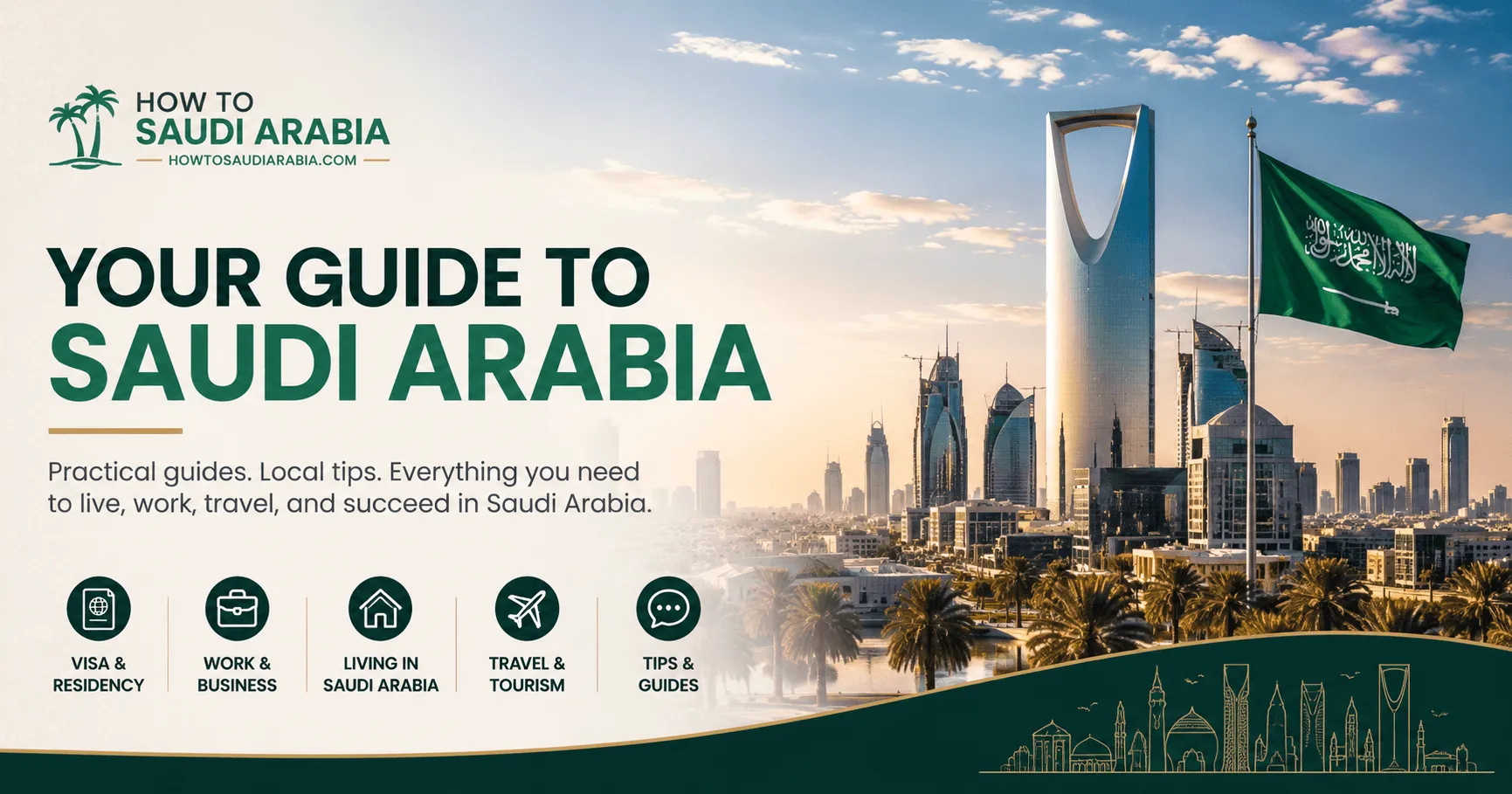
How To Saudi Arabia is an independent, unbiased resource providing practical, step-by-step guidance for expats moving to or living in Saudi Arabia. The site covers everything from visa applications and bank account openings to understanding the Iqama, GOSI, and cost of living. It is designed for newcomers and long-term residents who need clear, up-to-date information in English.
Key Features:
- Visa & Immigration Guides: Detailed walkthroughs for work visas, tourist eVisa, residence permits (Iqama), and premium residency.
- Banking & Finance: Step-by-step instructions for opening bank accounts, comparing credit cards, understanding VAT, and using the ZATCA e-invoicing system.
- Salary & Cost of Living Tools: Interactive calculators for gross-to-net salary, cost of living comparisons, and mortgage estimates.
- City Guides: In-depth profiles of major Saudi cities like Riyadh, Jeddah, Dammam, and Khobar, covering lifestyle, neighborhoods, and things to do.
- Daily Life Essentials: Guides on Absher registration, driving licenses, SIM cards, insurance, and social insurance (GOSI).
- Independent & Free: All content is free to access, with no ties to government or corporate sponsors; funded by affiliate links for recommended services.
Use Cases:
- Relocating to Saudi Arabia: A professional moving to Riyadh can use the site to understand the work visa process, find a bank, and estimate their net salary after GOSI deductions.
- Navigating Local Bureaucracy: An expat needing to renew their Iqama or register for Absher can follow the step-by-step guides to complete the process without language barriers.
- Financial Planning: A resident comparing credit cards or planning to buy property can use the calculators and comparison pages to make informed decisions.
What Makes It Stand Out: Unlike official Saudi portals that are primarily in Arabic, How To Saudi Arabia offers English-language guides with clear, actionable steps. The site is regularly updated to reflect policy changes under Vision 2030, and it prioritizes independence and accuracy over sponsored content.
Summary: How To Saudi Arabia is a comprehensive, free resource that simplifies the complexities of living in Saudi Arabia for expats. It combines practical guides, financial tools, and city insights to help users save time and reduce stress when navigating life in the Kingdom.